The Devil Wears Amazon™
On fashion’s biggest movie + fashion’s biggest night

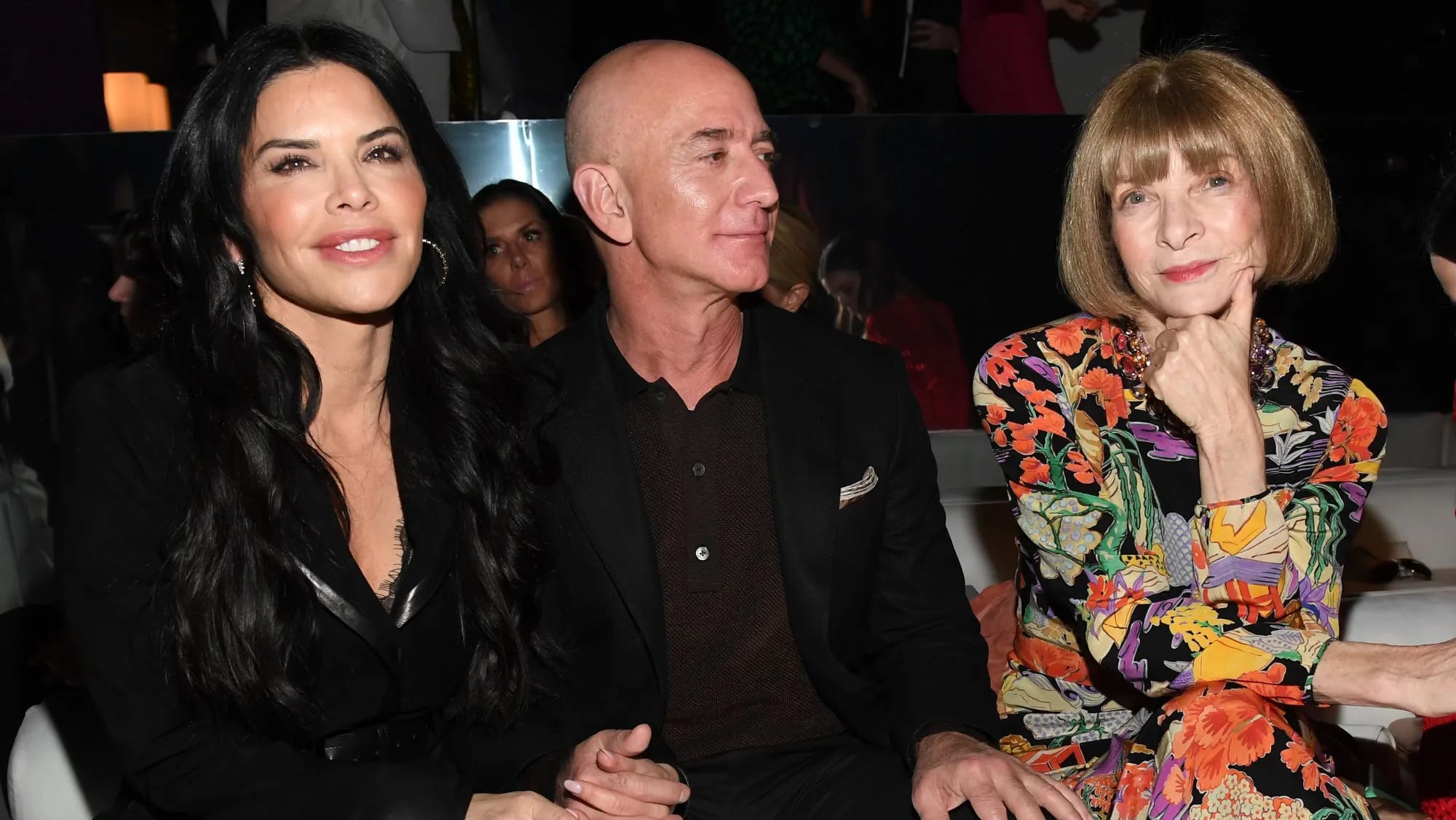
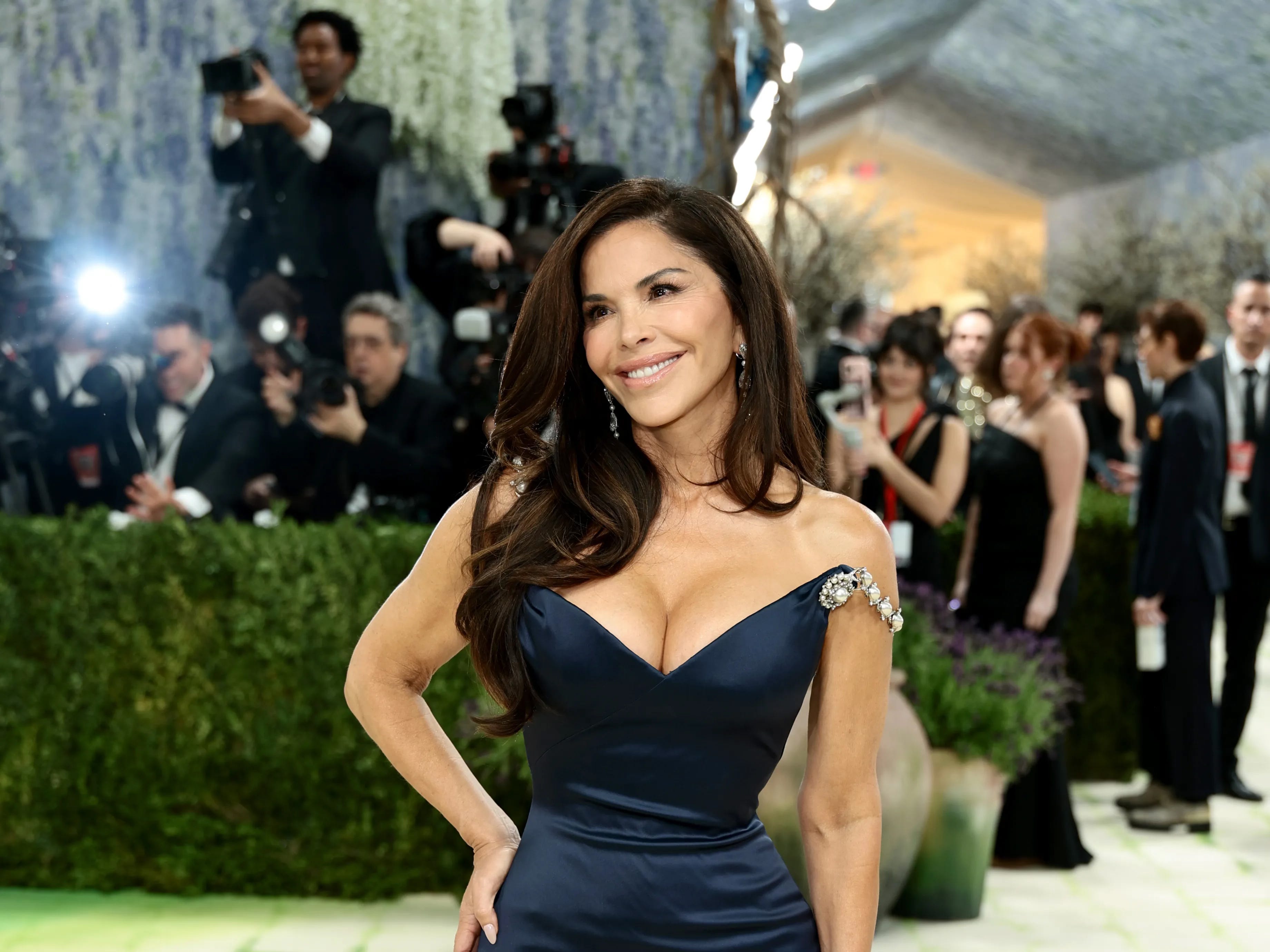
Two big things happened in fashion this week. The Devil Wears Prada 2 opened in theaters last Friday, distributed by Disney in what felt like the most expensive piece of self-criticism the company has ever bankrolled. Then on Monday, the Met Gala took place, sponsored by Jeff Bezos and Lauren Sánchez Bezos, who reportedly paid $10 million for the honor – the media establishment’s most transparent answer yet to the question of who actually runs it. Both cultural events were produced by the institutions they’re nominally about, and both were funded by the systems they were once supposed to push back against.
I can’t help but think about the cerulean monologue from the original Devil Wears Prada – how taste flows downstream, how the choices made in boardrooms dictate which sweaters we end up buying at the mall. But twenty years ago, the people in those rooms were editors, designers, and critics. They were *tastemakers.* Now, the ability to decide and report on culture is being sold to the highest bidder.
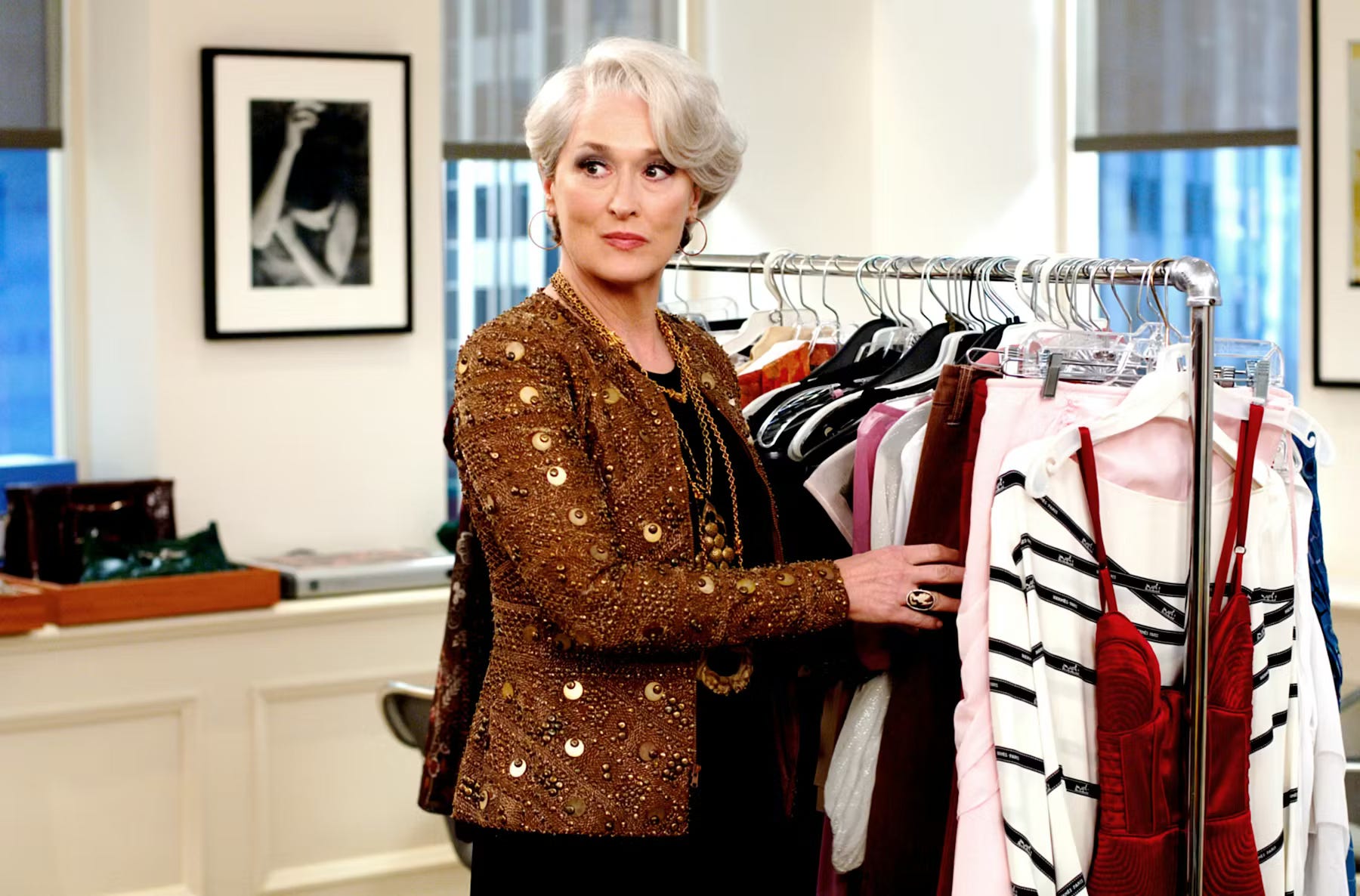
The Devil Wears Prada 2 is less a movie about fashion than its predecessor, and more a film about the demise of print journalism. When we find Andy Sachs two decades later, she’s now a respected reporter, that is, until her newsroom gets laid off via text during an industry awards gala. She returns to Runway only because Miranda is under fire for failing to vet a puff piece on a brand using sweatshop labor and needs a boots-on-the-ground Features Editor to add credibility to the publication. There’s also a tech billionaire played by Justin Theroux – “basically Jeff Bezos with hair,” per The Hollywood Reporter – circling the magazine for a hostile takeover. The plot is, on paper, an indictment of where the media landscape has landed in 2026: gutted, compromised, sponsored, and scrambling for relevance.
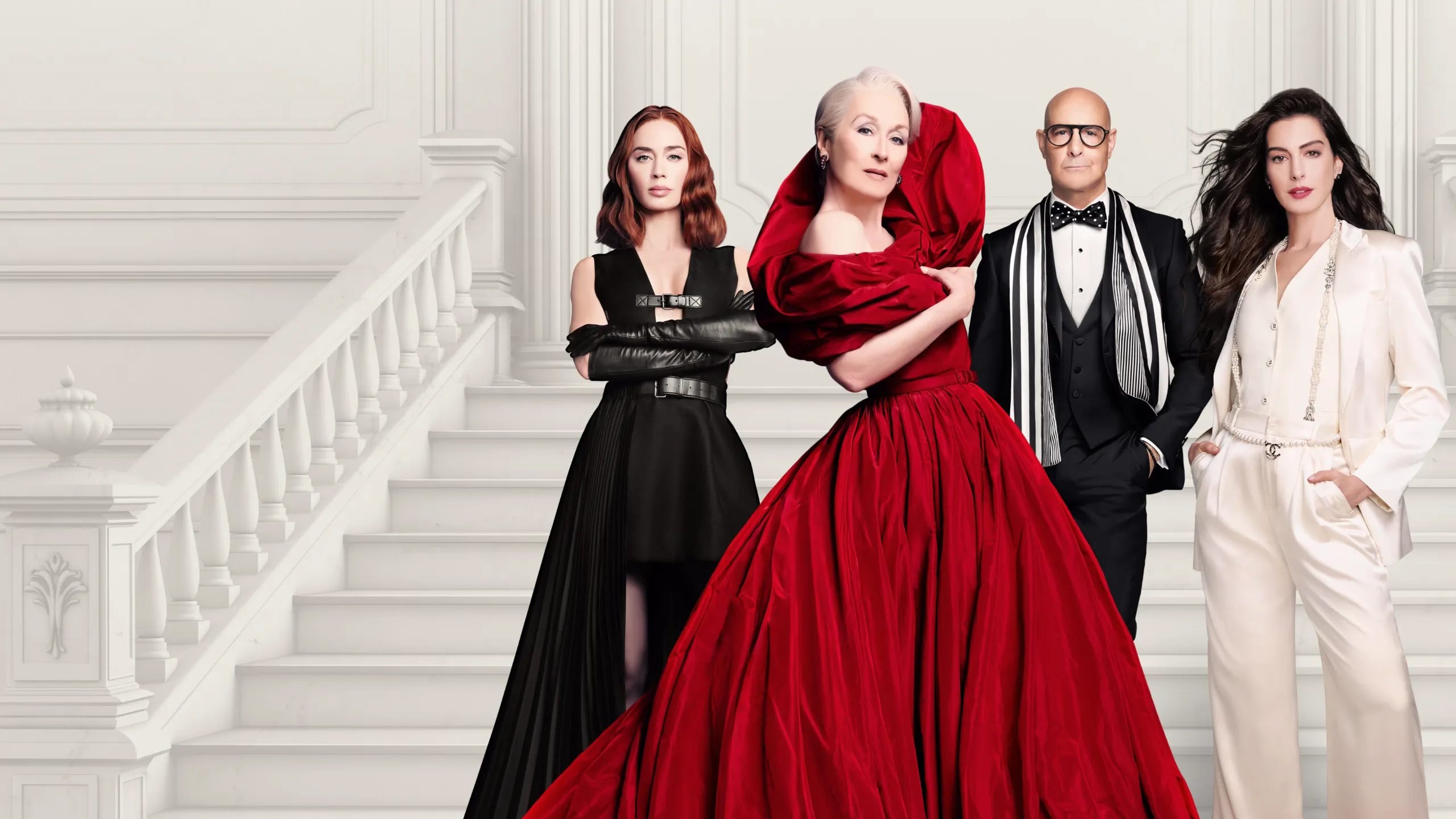
Also worth noting: TDWP2 is a Disney movie, distributed by 20th Century Studios with brand partnerships including Dior, Mercedes-Benz, Grey Goose, L’Oréal, Valentino, and Diet Coke (so much Diet Coke). The red carpet premiere was live-streamed across Disney+, Hulu, ABC News, and TikTok – a move that Disney itself called “a cross-platform activation.”
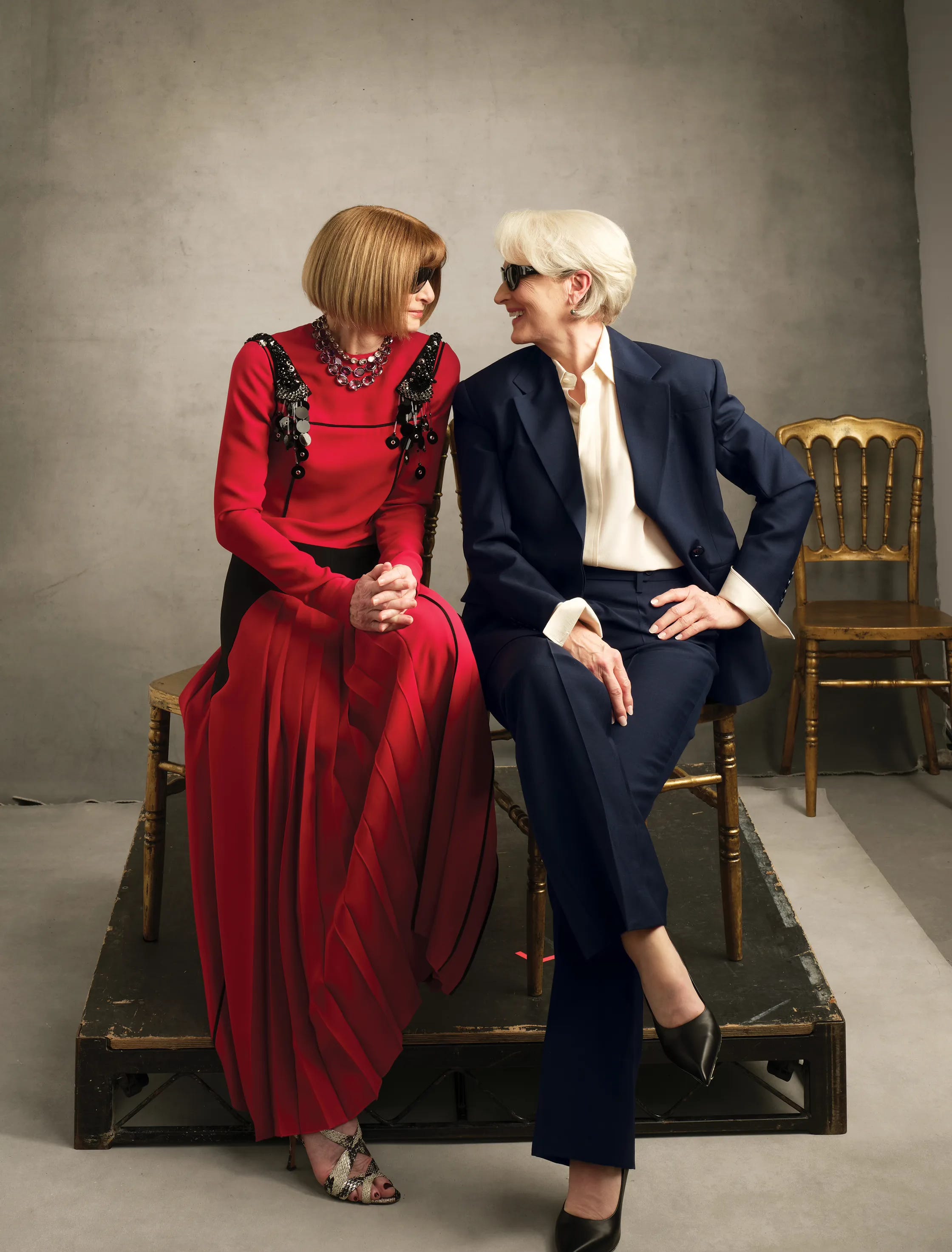
And no platform did more to cross-activate the film than Vogue itself. Their May issue was a tie-in cover of Anna Wintour and Meryl Streep-as-Miranda, shot by Annie Leibovitz with the tagline “When Miranda Met Anna.” On the digital front, the Vogue podcast ran five tie-in episodes, one of them featuring three of Wintour’s former assistants. And, as a cherry on top, Vogue chose the original novel as their April book club pick. (In her May editor’s letter, Vogue’s new EIC Chloe Malle wrote, “Disney shouldn’t be allowed to have all the fun.”)
All those partnerships, and yet, traditional print reviewers – the ones most attuned to and affected by the film’s subject matter – were locked out until release weekend. It’s ironic, as that same Hollywood Reporter review pointed out, that Disney was “helping to dig that grave” of journalism by gagging critics, banking that influencers would shape the social media narrative first.
So: it’s a movie about the suppression of the press, marketed via the suppression of the press, made by one of the largest conglomerates responsible for the restructuring of the media business. Got it.
In the movie, there’s a puff piece on a sweatshop brand. In the real world, that makes the movie itself the puff piece.
Meanwhile: the Met Gala.
For some context: the Met Gala has always been a fundraiser. It exists to fund the Costume Institute, a wing of the Metropolitan Museum of Art, and is the only curatorial department at the Met required to fund its own operations. Only since Wintour took over in 1995 has it gone from an industry insider event to a massive cultural phenomenon. The Met Gala raises an estimated $30 million each year for the Costume Institute, and tickets this year are $100,000 per person, or $350,000 per table. (For the record, most individual attendees aren’t fronting the cost themselves – the brands they’re wearing are. It’s a prime advertising opportunity and corporate write-off rolled into one.)
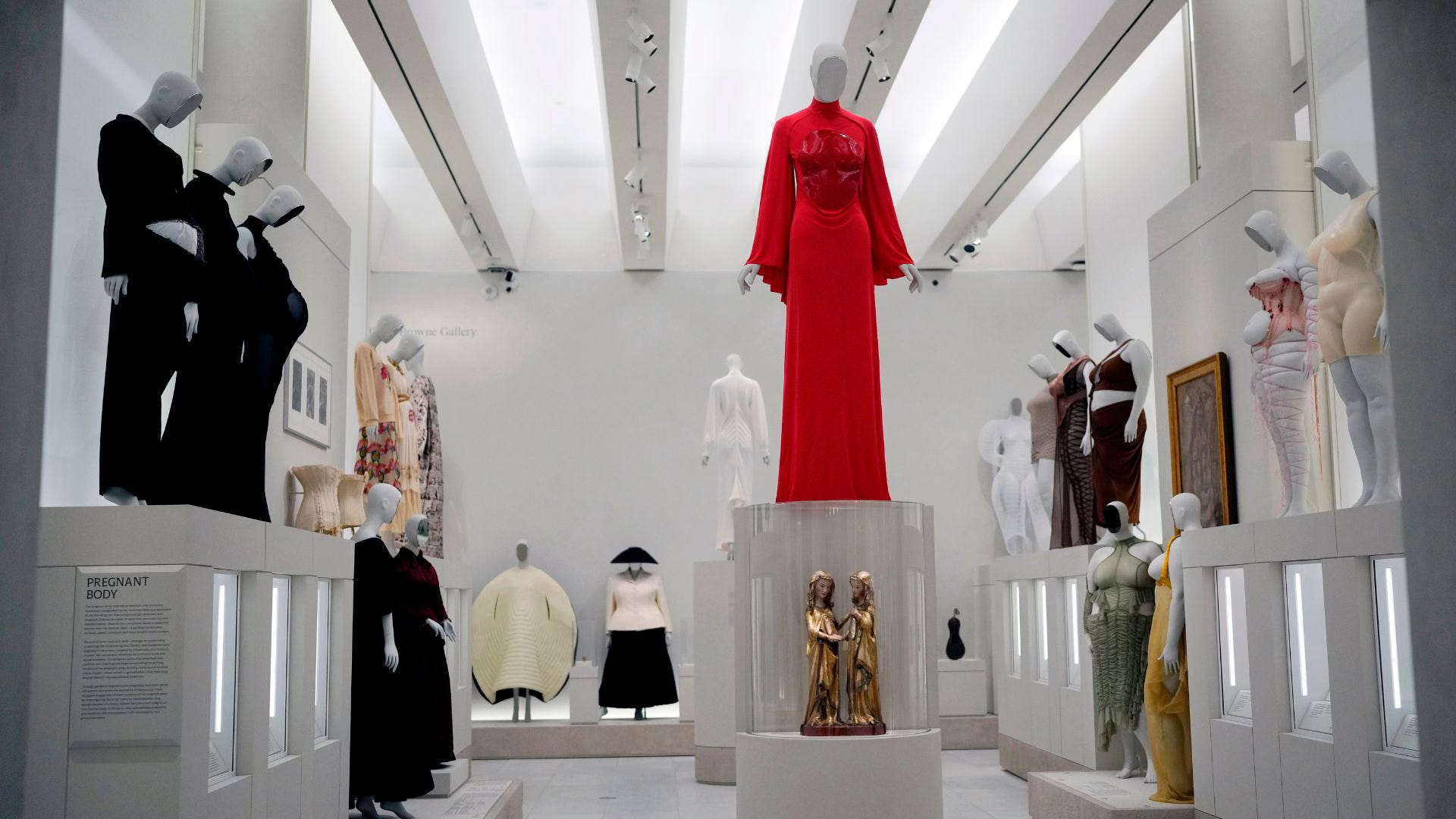
The main friction with this year’s gala comes from its lead sponsors, as Bezos’s involvement marks the first time in the gala’s history that a private individual has acted as both lead sponsor and co-chair simultaneously. If you do the math, Bezos’s alleged $10 million contribution equates to one-third of the gala’s annual fundraising total, being personally contributed by a man who made part of his fortune on fast fashion – not to mention, he’s rumored to be circling Condé Nast as a potential acquisition target (hence Theroux’s character in the movie).
Even more loaded, this year’s dress code is “Fashion is Art.” If you want the fashion angle and not just the media-industry read, fashion critic Luke Meagher of HauteLeMode put out an excellent explainer walking through what the carpet might’ve looked like – if attendees had bothered to take it seriously, of course. Definitely recommend giving his channel a watch.
What actually walked the carpet was, unfortunately, highly underwhelming (though there were a few notable exceptions). The theme gave attendees full carte blanche, yet most of them turned in looks that could have walked any other carpet. Black suits? Nude corsets? Molded breastplates? Groundbreaking.
And look, I get it. The Met Gala has been mocked for its parallels to the Capitol fashion from “The Hunger Games” for years now – the comparison is inevitable when you’re watching absurdly rich people ascend a marble staircase in wacky couture, as real-world strife and regime collapse happen in the background. It’s also understandable that amid so much economic precarity, an attendee might think a pared-down look is the more tasteful, self-aware way to go.


But in the age of generative AI, I’d argue that human creativity is more important than ever to preserve and platform, and doing so is the entire point of an event whose dress code is “fashion is art.” And damn it, I wanted to see some art!
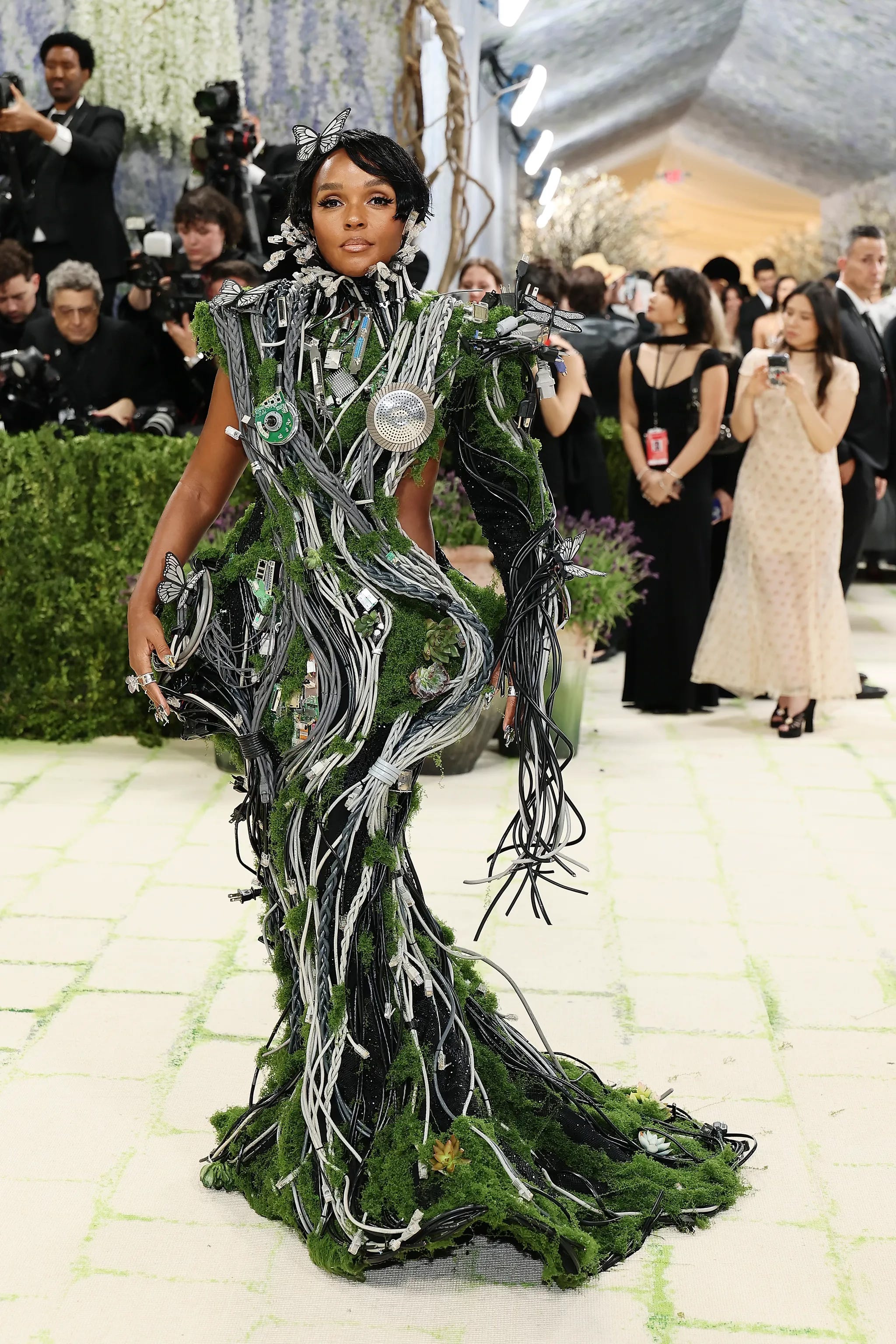
In that spirit, I do have to shout out Janelle Monáe – though, it must be said, she *always* delivers with her Met looks. She wore a Christian Siriano gown built from live moss, succulents, a motherboard, ethernet cables, 230 electrical wires, and 5,000 black crystals, plus mechanical butterflies and dragonflies attached to her head and shoulders. When asked what her dress meant, she told Variety, “Balance must be restored.” At least to me, the look read as technology overrunning nature – a radical statement to make at a gala subsidized by a man whose company is one of the largest private buyers of generative AI infrastructure on earth.
Speaking of AI: last summer, Vogue’s August 2025 print edition ran a Guess advertisement featuring an AI-generated model, with only a small footnote disclosing that she wasn’t real. The backlash was swift, and led to print subscribers canceling their subscriptions at the exact moment legacy fashion media could least afford to lose them. Condé Nast’s defense was technically, narrowly correct, though morally insufficient: Vogue never ran an AI model in an editorial. The Guess campaign was a commercial decision, the magazine just sold the ad space. What happened in the ad space wasn’t really the magazine’s call.
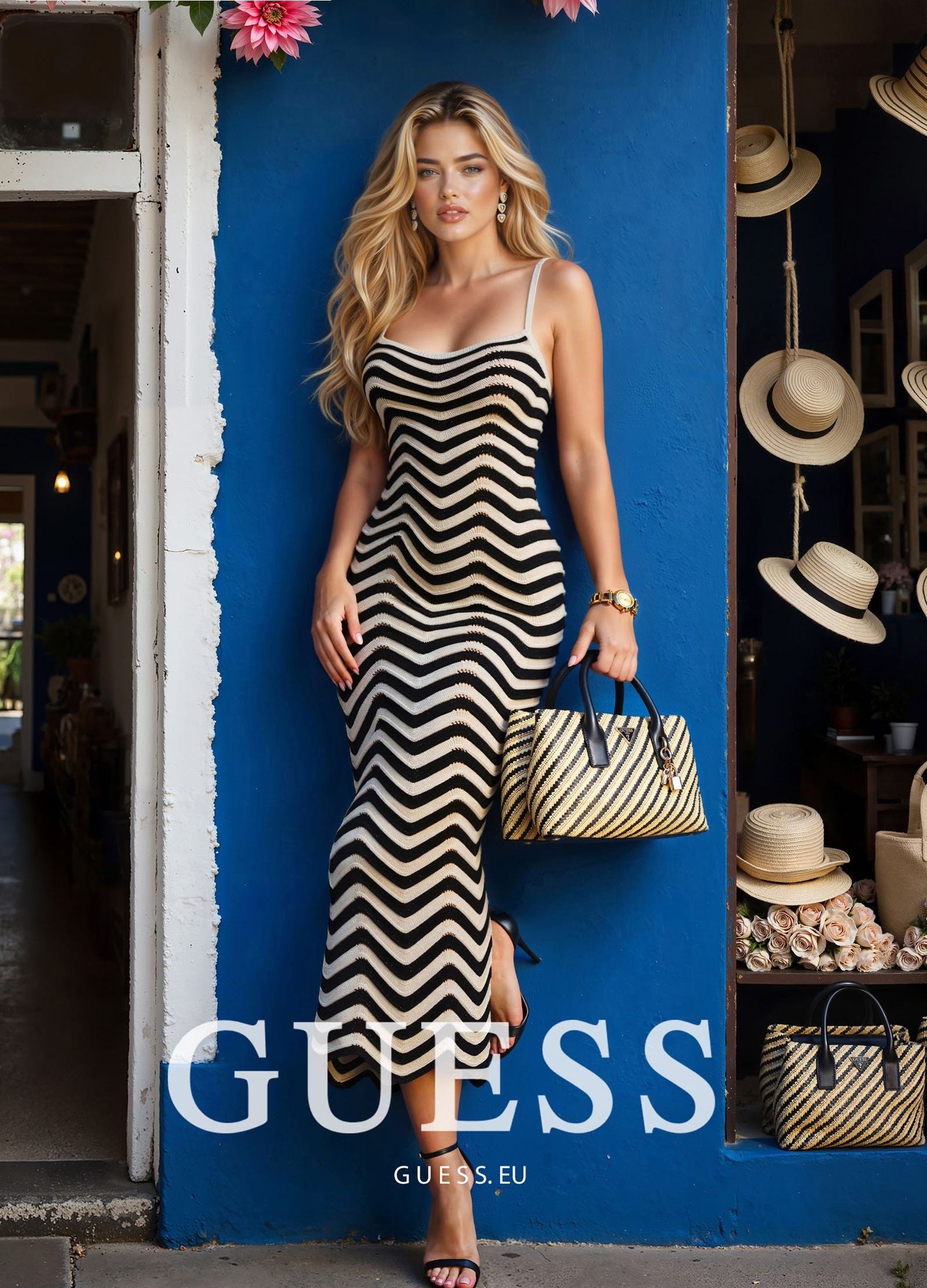
Which is why the Met Gala defense should feel familiar: We’re not endorsing him, we’re just accepting his donation. We’re not running an AI model, we’re just running an ad that contains one.
Framing this as hypocrisy – that an institution can’t bite the hand that feeds it, even when that hand is also the one devaluing the work – is fair, but limiting. It assumes that there’s an alternative available: that if Vogue refused the Guess ad, if the Met Gala turned down the Bezos check, if Disney let traditional press see The Devil Wears Prada 2 before the new class of influencers, the whole apparatus could be rinsed clean and we could go back to taking it seriously as *art*.
But that’s just not true anymore. Today’s fashion magazines are ad-depleted; their print runs are smaller, and their advertising bases have migrated to platforms that pay in algorithmic exposure. The position from which a magazine like Runway – or Vogue, or any legacy fashion or cultural institution – could credibly claim to defend human creativity has largely been structurally eliminated. The ones that survive are the ones that have learned to take the check.
The worst part is, the people writing the checks don’t seem to know – or care – what the rules are. Tech money is buying its way into the cultural conversation, paying for magazine spreads, red carpet access, and sponsor privileges in ways it couldn’t before, because wealth has never been so concentrated and magazines have never been so vulnerable. But the buyers don’t dress to the theme. They don’t engage with the work. They don’t value human creativity. They just want what taste used to confer, without doing the work it used to require.
Returning to the cerulean monologue from the original as the obvious reference: Miranda explains that the sweater Andy thinks she chose freely was, in fact, dictated by a chain of decisions made seasons earlier, in boardrooms she’ll never see, by people whose names she doesn’t know. The point of the monologue is that nothing escapes the system; even your contempt for it is shaped by it.
What the scene didn’t spell out – because in 2006, it didn’t have to – was that the people in the rooms were artists. These people had earned their authority over what the rest of us might want because it came from spending their lives close to the work. The system was rigged, sure, but at least the people rigging it had taste.
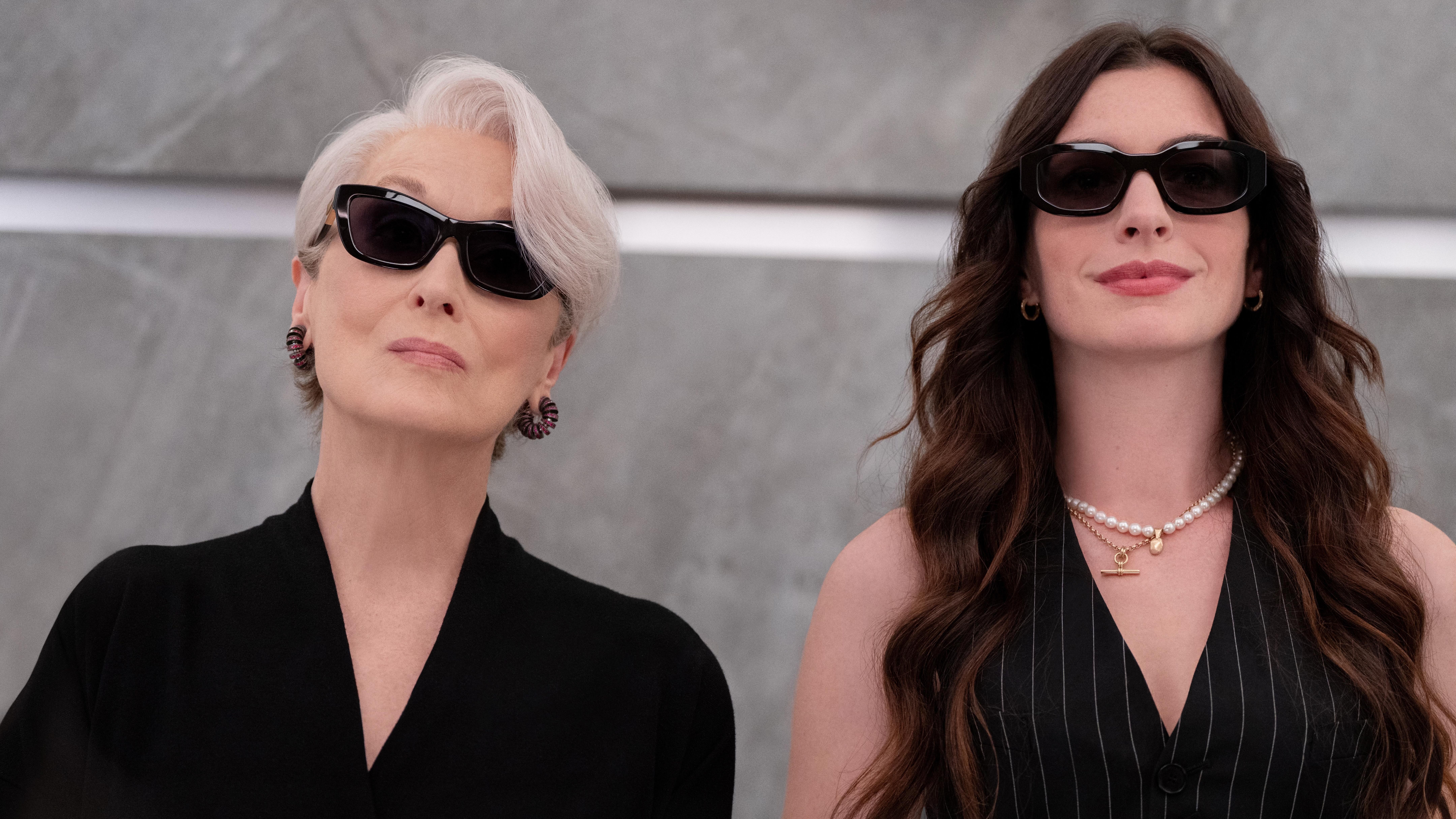
Twenty years later, the chain of decisions still exists, but the people in the room aren’t the artists. They’re the men buying the magazines. Or the studios distributing the movies about the magazines. Or the men buying the studios distributing the movies about the magazines.
The cerulean – or millennial pink, or sage green, or butter yellow, depending on the current trend cycle – still trickles down, but who pours it has changed. And they were never the ones meant to.
At least we can read the sponsor wall.
Recents:


Hey! If you’re new here — I’m a former Hollywood publicist turned entrepreneur, writer, and digital nomad. I also do PR for indie filmmakers and creatives. More at www.averydella.com.